

Meditation
Understanding meditation
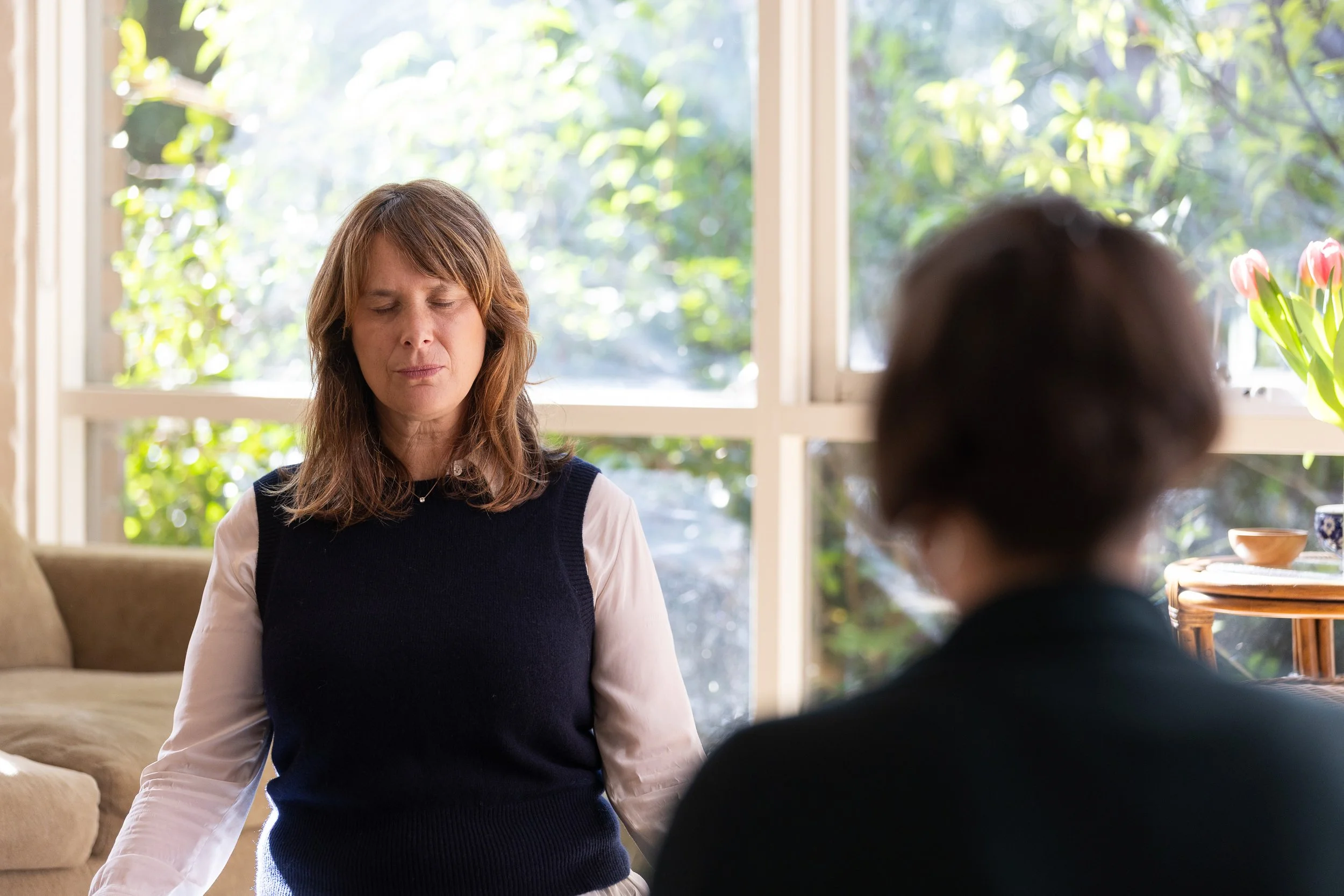
Meditation is a way of coming into a different relationship with our experience.
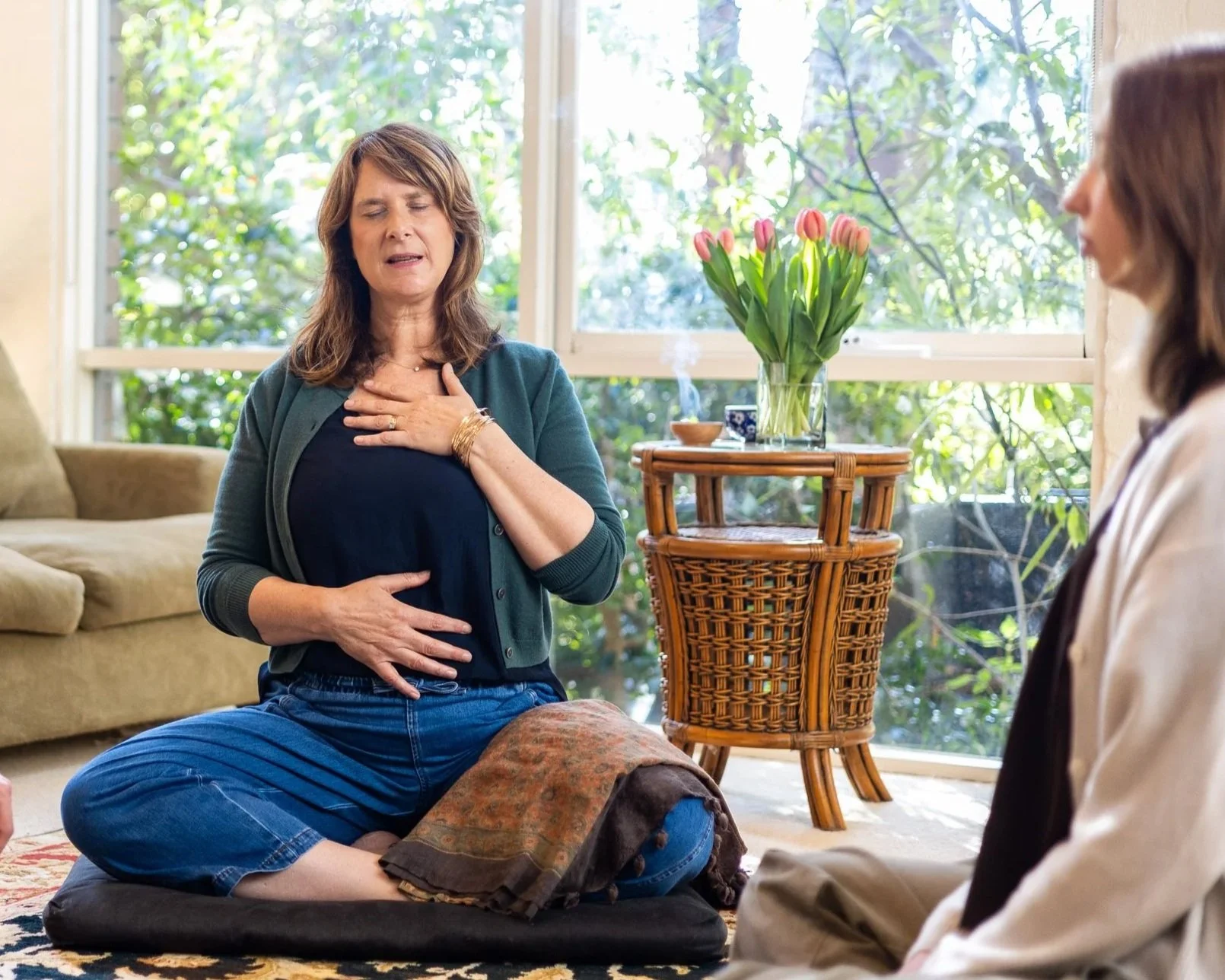
Rather than trying to fix, change, or push things away, we begin by noticing what is here — in the body, the mind, and the heart — with a quality of gentle attention.
In this space of awareness, something begins to shift. We see more clearly how experience moves and changes, and how much of our suffering comes from holding on or pushing away.
Over time, this practice supports a deepening sense of steadiness, clarity, and care — both for ourselves and for others.
It’s not about becoming someone different, but about learning how to meet life as it is, with greater presence and understanding.
Path of practice
-
Mindfulness begins with noticing what is here. The body breathing, sensations moving, thoughts coming and going — just as they are. Rather than trying to change experience, we learn to stay with it gently. Over time, this creates space, and the possibility to respond rather than react.

-
As we pay attention, we begin to see more clearly. Experience is always changing, and holding on often brings tension. With time, this seeing softens reactivity and brings a quieter, more grounded way of being. Insight grows naturally through looking, not forcing.
-
As awareness deepens, we begin to meet ourselves differently. Instead of judgment, there can be a sense of care — especially toward what feels difficult. This can be deeply healing. Compassion allows us to stay present and open, even when life brings pain.
-
Practice doesn’t stay on the cushion. Gradually, awareness moves into how we speak, relate, and live. The path becomes something we walk in everyday life. Over time, this brings a greater sense of steadiness and connection.
My path
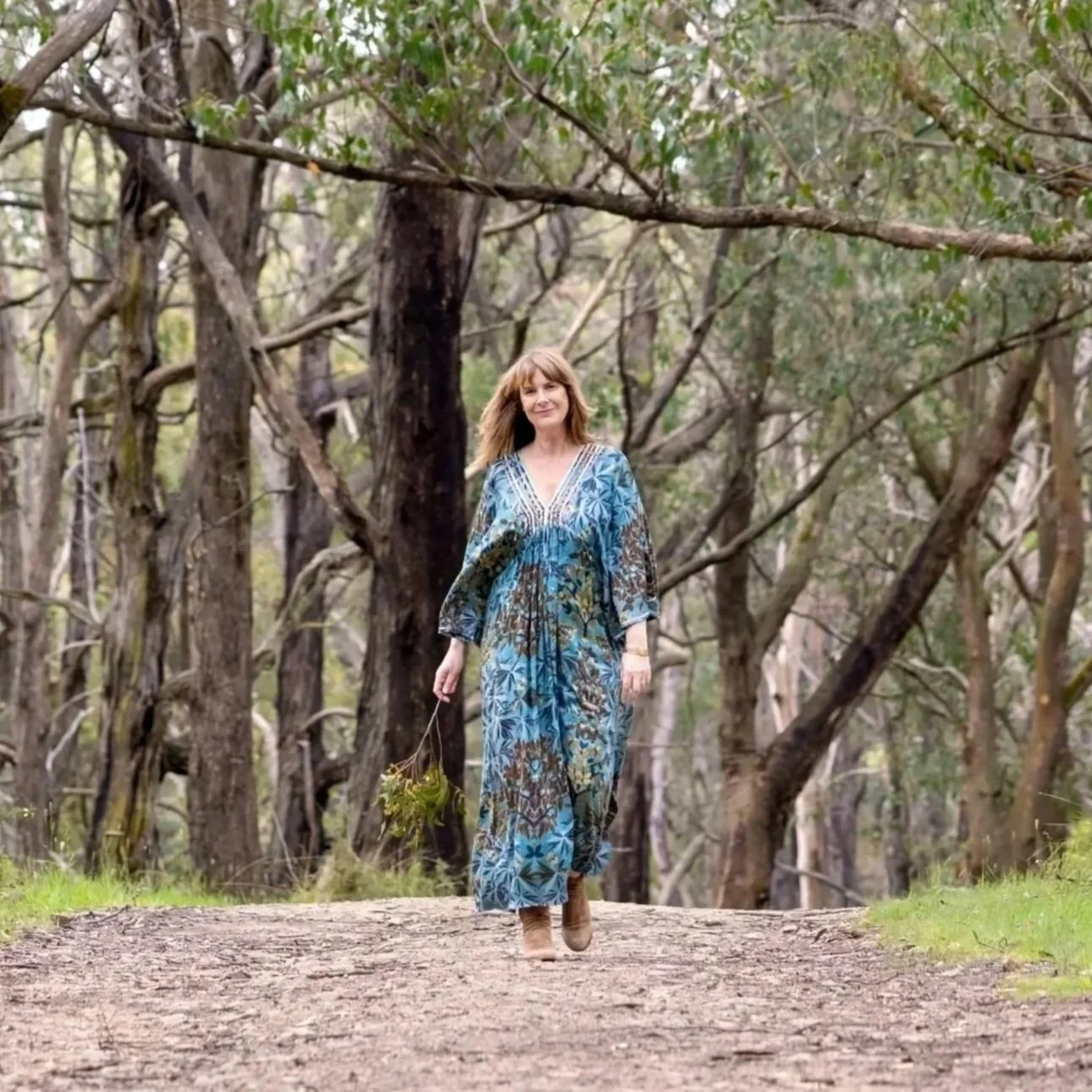
Meditation has been a companion for many years.
It began as a quiet sense — even as a child — that there was something more than this. A kind of curiosity, or longing, that didn’t yet have words.
Over time, that longing became a steady commitment to practice.
Different traditions and approaches have shaped the path — Zen, body-based psychotherapy, and, more recently, a deepening in the Insight tradition. Through mindfulness, compassion, and the Dharma, I’ve been learning how to meet experience more directly.
Practice has meant turning toward suffering, rather than away from it. Staying with what is here — loss, grief, change — and discovering something more fluid beneath it. Less fixed than I once believed. More like a river than something solid.
I’m grateful now to be entering a new phase of this path — to share the Dharma in a way that feels grounded, embodied, and accessible, while staying true to its depth.
Words from my teacher
These words were offered to me by my teacher and mentor, Subhana Barzaghi, during a time of great difficulty. They continue to guide my practice and teaching.